
Understanding Rebuttable Presumption in Workplace Safety
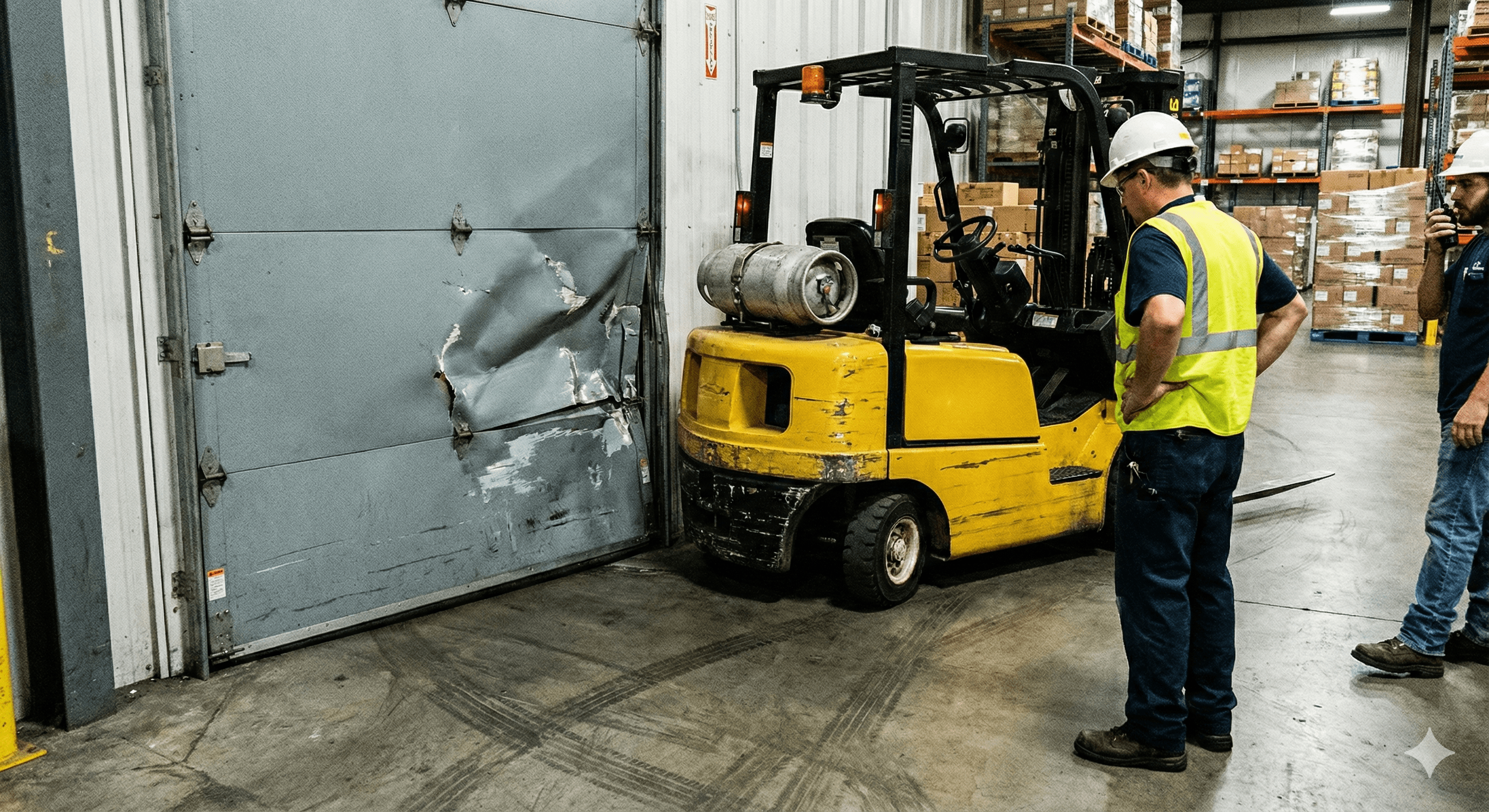
What employers need to know and how Gaize can help.
When a workplace accident occurs, determining the cause is critical—not just for preventing future incidents, but also for establishing liability and workers' compensation eligibility. In many states, rebuttable presumption laws create a legal framework that significantly impacts how workplace incidents involving substance use are evaluated. Understanding these laws and how modern technology can support compliance is essential for employers committed to workplace safety.
What Is Rebuttable Presumption?
In the context of workplace drug testing and incidents, a rebuttable presumption is a legal assumption that shifts the burden of proof. Specifically, if an employee tests positive for drugs or alcohol following a workplace incident, the law presumes that drug impairment contributed to or caused the incident.
This doesn't mean the presumption is true. It's "rebuttable," meaning the employee has the opportunity to present evidence demonstrating either that they were not actually impaired at the time of the incident or that their impairment did not contribute to what occurred. However, the burden of proof falls on the employee rather than the employer or insurance carrier.
Why Rebuttable Presumption Matters
Rebuttable presumption laws serve several important purposes in workplace safety and workers' compensation frameworks:
Deterring Workplace Impairment: By establishing potential consequences for working while impaired, these laws encourage employees to make safer choices about substance use and work attendance.
Protecting Employers and Insurers: These provisions help prevent fraudulent or questionable workers' compensation claims where substance use may have been a contributing factor to an injury.
Promoting Accountability: The laws create clear expectations about employee responsibility for maintaining fitness for duty, particularly in safety-sensitive positions.
Streamlining Claims Adjudication: By establishing a presumption rather than requiring employers to prove impairment in every case, these laws provide a more efficient framework for evaluating claims.
However, these laws also raise important questions about fairness, the accuracy of traditional chemical drug testing methods, and the distinction between substance detection and actual impairment.
How Rebuttable Presumption Has Been Applied
The application of rebuttable presumption laws has evolved significantly as drug testing technology and workplace policies have developed. Courts have examined numerous cases where employees attempted to rebut the presumption of impairment after testing positive for substances.
Common approaches employees have used to rebut the presumption include providing evidence of prescription medication use, demonstrating that the substance detected was from consumption outside of work hours and could not have caused impairment, or showing through witness testimony and incident investigation that impairment played no role in the accident. The success of these rebuttals varies considerably depending on the jurisdiction, the specific facts of the case, and the quality of evidence presented.
One significant challenge with traditional drug testing methods is that they often detect the presence of substances rather than actual impairment. For example, marijuana metabolites can be detected in urine for weeks after use, long after any impairing effects have worn off. This creates situations where employees may face presumptions of impairment despite being fully capable at the time of an incident.
States with Rebuttable Presumption Laws
Multiple states have enacted rebuttable presumption provisions as part of their workers' compensation statutes. While the specific details vary, the fundamental framework remains similar across jurisdictions.
Ohio: Ohio's workers' compensation law includes a rebuttable presumption that if an employee tests positive for drugs or alcohol after a workplace accident, the impairment contributed to the incident and resulting injury. Employees must provide evidence showing they were not impaired or that impairment did not contribute to the accident.
Florida: Florida establishes a rebuttable presumption that employees who test positive following a workplace accident were impaired and that this impairment caused the accident. The burden falls on the employee to provide contrary evidence.
Texas: Texas workers' compensation laws presume that positive drug or alcohol tests following workplace accidents indicate the injury was caused by intoxication. Employees must present clear and convincing evidence to overcome this presumption.
Georgia: Georgia creates a rebuttable presumption for employees who either refuse drug or alcohol testing after a workplace accident or test positive. Employees must demonstrate that their refusal or positive result did not contribute to the incident.
Tennessee: Tennessee's workers' compensation framework presumes that positive drug or alcohol tests following accidents indicate impairment caused the injury. Employees can rebut this by showing the substance did not cause the accident.
South Carolina: South Carolina law presumes that positive drug or alcohol tests following accidents mean impairment caused the accident, unless the employee proves otherwise.
Louisiana: Louisiana's workers' compensation laws include a rebuttable presumption that injuries were caused by intoxication when employees test positive for drugs or alcohol following incidents.
The specifics of how these presumptions can be rebutted, the type and quality of evidence required, and the standards of proof vary by state. Employers operating in multiple states must understand the nuances of each jurisdiction's approach.
The Challenge of Proving Actual Impairment
Traditional drug testing methods, while valuable in some contexts, have a significant limitation: they detect the presence of substances but not impairment at the time of an incident. This distinction is particularly important in rebuttable presumption cases, where the legal question centers on whether impairment contributed to an accident, not whether a substance had been consumed at some point in the past.
Consider an employee who uses marijuana on a Saturday evening and is involved in a workplace accident the following Thursday. A urine test will detect marijuana metabolites, triggering the rebuttable presumption, even though the employee was not actually impaired during the incident. This common scenario highlights the gap between substance detection and impairment assessment.
How Gaize's Impairment Detection Technology Can Help
This is where innovative solutions like Gaize's impairment detection technology offer significant value. Rather than simply detecting whether substances are present in an employee's system, Gaize focuses on identifying actual impairment in real-time through objective, observable indicators.
Real-Time Assessment: Gaize's technology provides point-in-time impairment assessment, evaluating whether an employee is actually impaired at a specific moment rather than whether they consumed a substance days or weeks earlier.
Objective Measurement: By using standardized, scientifically-validated methods to assess impairment, Gaize reduces subjectivity and provides defensible data for both employers and employees.
Supporting Fair Outcomes: For employees who are not impaired, Gaize's technology can provide evidence to rebut presumptions that might otherwise be difficult to overcome. For employers, it offers more accurate information about whether impairment truly contributed to an incident, allowing them to fairly and responsibly deal with incidents.
Proactive Safety: Beyond post-incident testing, Gaize's technology can be used proactively to identify impairment before accidents occur, preventing incidents rather than just investigating them after the fact.
Comprehensive Documentation: The technology creates clear records of impairment assessments, providing the type of evidence that is valuable in workers' compensation proceedings and legal disputes.
Compliance Support: For employers navigating the complex landscape of state rebuttable presumption laws, Gaize offers a tool that addresses the core question these laws are designed to answer: was the employee actually impaired?
Moving Forward: Impairment Detection Technology and Workplace Safety
Rebuttable presumption laws reflect an important policy goal—ensuring workplace safety by deterring impaired work. However, the effectiveness and fairness of these laws depend significantly on the quality of impairment assessment methods available.
As technology advances, employers have the opportunity to move beyond simple presence-or-absence drug testing toward more sophisticated, accurate assessments of actual impairment. This evolution benefits everyone: employers gain better tools for maintaining safe workplaces, employees face fairer assessment methods that distinguish between off-duty substance use and on-duty impairment, and workers' compensation systems can operate with more accurate information.
For organizations operating in states with rebuttable presumption laws, implementing comprehensive impairment detection solutions like Gaize represents not just regulatory compliance, but a commitment to both safety and fairness. By accurately identifying impairment when it exists—and equally important, confirming fitness for duty when it doesn't—these technologies support the fundamental goals of workplace safety while ensuring that legal presumptions are based on actual impairment rather than the mere presence of substances in an employee's system.
In an era where workplace safety, employee rights, and technological capability are all advancing, the integration of sophisticated impairment detection represents the future of responsible workplace drug policies. Understanding rebuttable presumption laws and implementing the right technology to navigate them isn't just about compliance—it's about creating workplaces that are both safer and fairer for everyone.